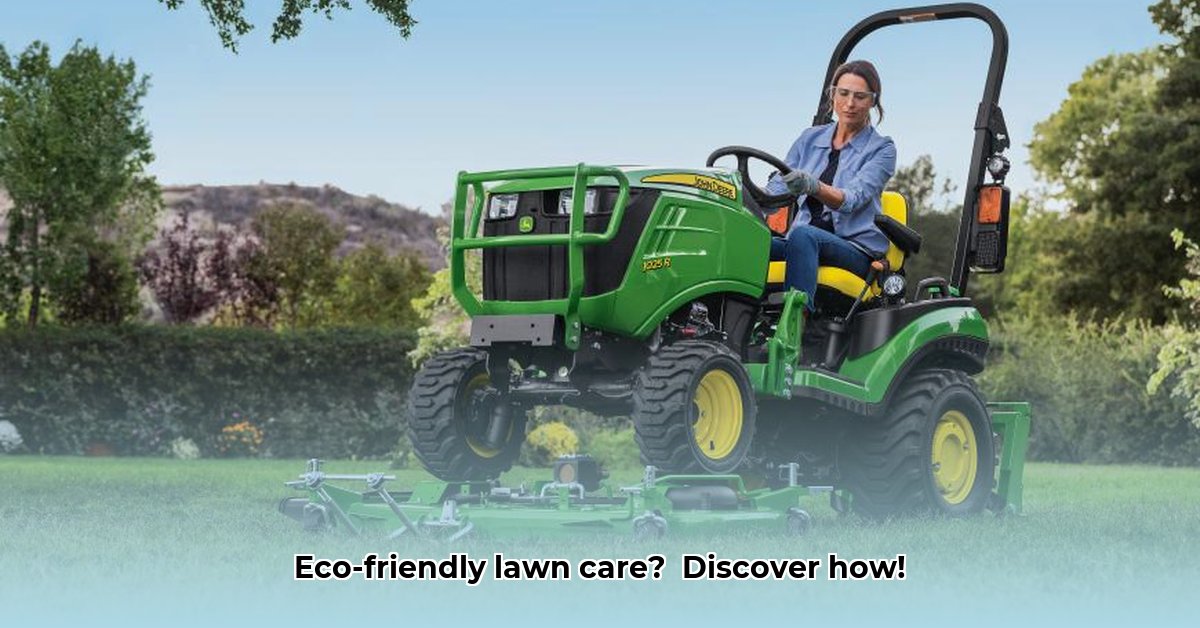
Keeping your lawn looking pristine shouldn't come at the expense of the planet. While a perfectly manicured yard is desirable, traditional lawn care practices often have a significant environmental footprint. Fortunately, choosing the right lawn mower tractor attachments presents an opportunity to balance convenience with environmental responsibility. This guide explores various attachments, their environmental impact, and practical steps for homeowners and manufacturers to adopt more sustainable practices. For more information on lawn tractor attachments, check out this resource.
Understanding the Environmental Impact of Lawn Tractor Attachments
The impact of lawn care extends beyond the immediate visual appeal. Factors like fertilizer use, water consumption, and waste generation significantly contribute to our environmental footprint. Smart choices in lawn tractor attachments can mitigate these effects. Consider your lawn care routine as a holistic system; every element – from the mower itself to the attachments used – plays a crucial role in its overall sustainability.
Mulching vs. Bagging: A Comparative Analysis
One key decision is how to manage grass clippings: mulching or bagging. Mulching finely chops clippings and returns them to the lawn as a natural fertilizer, reducing the need for chemical fertilizers and minimizing waste. Bagging, on the other hand, requires disposal. While composting is a positive alternative, it adds an extra step to the process. The optimal approach often depends on factors such as grass type and soil conditions. A simple soil test can help determine the best method for your specific lawn. Experimentation with both techniques may reveal the most effective and sustainable solution.
Sustainable Practices for Homeowners
Adopting sustainable lawn care practices doesn't require a complete overhaul. Simple changes can make a significant difference:
Prioritize Energy Efficiency: When purchasing new attachments, opt for energy-efficient models made from recycled or responsibly sourced materials. These designs often consume less power, reducing fuel consumption and minimizing your carbon footprint.
Master Mulching Techniques: Proper mulching requires sharp mower blades to ensure even clipping distribution and maximize nutrient return to the soil. Adjusting the cutting height according to your grass type is equally important.
Responsible Disposal: If bagging is necessary, prioritize composting. If composting isn't feasible, explore local recycling programs for yard waste. Avoid sending clippings to landfills whenever possible. Apply the same careful consideration to disposing of worn-out attachments.
Regular Maintenance: Regularly maintaining equipment ensures optimal efficiency, extends its lifespan, and reduces the need for frequent replacements. This preventative maintenance approach benefits both your budget and the environment. A well-maintained machine performs better and lasts longer, reducing waste in the long term.
Explore Alternative Power Sources: Consider transitioning to electric or battery-powered lawn mowers and attachments. These options significantly reduce emissions compared to gas-powered models, offering a cleaner and quieter alternative. While initial costs might be higher, the long-term environmental and economic benefits are substantial.
The Role of Manufacturers in Sustainable Lawn Care
Manufacturers have a critical role in promoting sustainable lawn care. Their actions can significantly impact the environmental footprint of lawn tractor attachments:
Sustainable Material Sourcing: Employing recycled and sustainably sourced materials in the manufacturing process reduces reliance on virgin resources and minimizes environmental damage.
Design for Durability: Creating durable, long-lasting attachments through improved design and engineering reduces the frequency of replacements, lowering waste and resource consumption.
End-of-Life Management: Implementing take-back programs or designing attachments for easy disassembly and recycling allows for responsible disposal and resource recovery.
Eco-Friendly Manufacturing Processes: Adopting environmentally conscious manufacturing processes minimizes pollution and reduces energy consumption during production.
Government and Consumer Actions: A Collaborative Approach
Government regulations and consumer awareness are vital for driving the adoption of sustainable lawn care practices.
Government Incentives: Government initiatives, such as tax credits for energy-efficient equipment or subsidies for composting programs, can encourage consumers to make eco-friendly choices. Clear and accessible information regarding these programs is equally crucial.
Consumer Education: Raising consumer awareness through educational campaigns and clear product labeling empowers informed decision-making, driving demand for sustainable products. Supporting companies committed to sustainable practices further reinforces this message.
Conclusion: Cultivating a Greener Lawn Care Future
Creating a truly sustainable lawn care routine requires a collective effort. From the individual choices we make about lawn tractor attachments to advocating for stricter environmental regulations, every action contributes to a greener future. By embracing sustainable practices, both homeowners and manufacturers can work together to achieve beautiful landscapes without compromising the health of our planet. Let's work together, one lawn at a time, to cultivate a more environmentally responsible way of maintaining our outdoor spaces.